Knowledge Center
Knowledge Center
Connecting water quality assessment, technology selection, and project decisions with engineering knowledge.
Updated regularly by category
Quickly understand common questions
Preview and download directly
Knowledge & Insights
Industry & Technology Insights
From industry trends, product technologies, and basic knowledge, we continuously build practical assessment methods for industrial water treatment and resource recovery projects.
Industry news
A growing library of engineering articles covering industry and technical know-how for project decisions.
Product technology
A growing library of engineering articles covering industry and technical know-how for project decisions.
Knowledge articles
A growing library of engineering articles covering industry and technical know-how for project decisions.
FAQ
FAQ
10 common questions covering document preparation, technology selection, verification and scale-up, engineering retrofit, and project delivery.
01What information is required for a preliminary solution?
We recommend providing a water quality report, treatment capacity, existing process, target discharge or reuse indicators, site space, and energy conditions.
02Can an initial assessment be carried out without a complete water quality report?
You can first provide the industry, process section, treatment capacity, main pollutants, and project objectives. After initial discussions, necessary tests such as ion composition, COD, hardness, or metals can be added based on the technical route.
03What are the main differences between ED, DD, and BMED?
ED is mainly used for ion removal and brine concentration, DD is commonly used for waste acid or waste alkali recovery, and BMED is used to convert salts into acid and alkali. The final selection also depends on impurities, concentration, target products, and continuous operation requirements.
04How do you determine which pretreatment steps are required for a project?
Pretreatment depends on risks such as suspended solids, organics, hardness, silica, oil, and oxidizing substances. It should be determined around protecting downstream membrane and evaporation units, stabilizing the feed, and controlling cleaning intervals.
05When is bench-scale testing or pilot-scale testing required?
When the material composition is complex, target selectivity is high, continuous operation data is limited, or large-scale scale-up is planned, prior validation is recommended. Bench-scale testing addresses feasibility, while pilot-scale testing further confirms fluctuations, energy consumption, fouling, and control boundaries.
06How do you determine whether wastewater is suitable for resource recovery?
The concentration of recovered materials, impurities, purity requirements, stable outlets, and downstream processing costs must be assessed together. A resource recovery solution has engineering value only when the treated output can enter a defined reuse or utilization route.
07How are energy consumption and operating costs estimated?
At the preliminary stage, an estimated range can be based on treatment capacity, water quality, target concentration, and process combination. Reliable data usually requires further verification using bench-scale testing or pilot-scale testing results, equipment efficiency, chemical consumption, and local energy prices.
08Can an existing water treatment system be retrofitted?
Yes. An assessment can be carried out, but the existing process, equipment margin, interfaces, site space, control system, and shutdown window must be reviewed. The retrofit plan should define retained units, new battery limits, and operating arrangements during switchover.
09What is typically included in project delivery?
Depending on the contract scope, it may cover process design, equipment manufacturing, module integration, FAT, on-site installation guidance, SAT, commissioning, and training. Specific performance indicators and responsibility boundaries should be defined in the technical agreement.
10Do you support cooperation with overseas EPC, engineering companies, or agents?
Yes. Cooperation can cover process packages, core equipment, modular systems, and remote technical services. Before project launch, local standards, supply boundaries, site conditions, language documents, and after-sales responsibilities must be clarified.
Knowledge Downloads
Knowledge Downloads
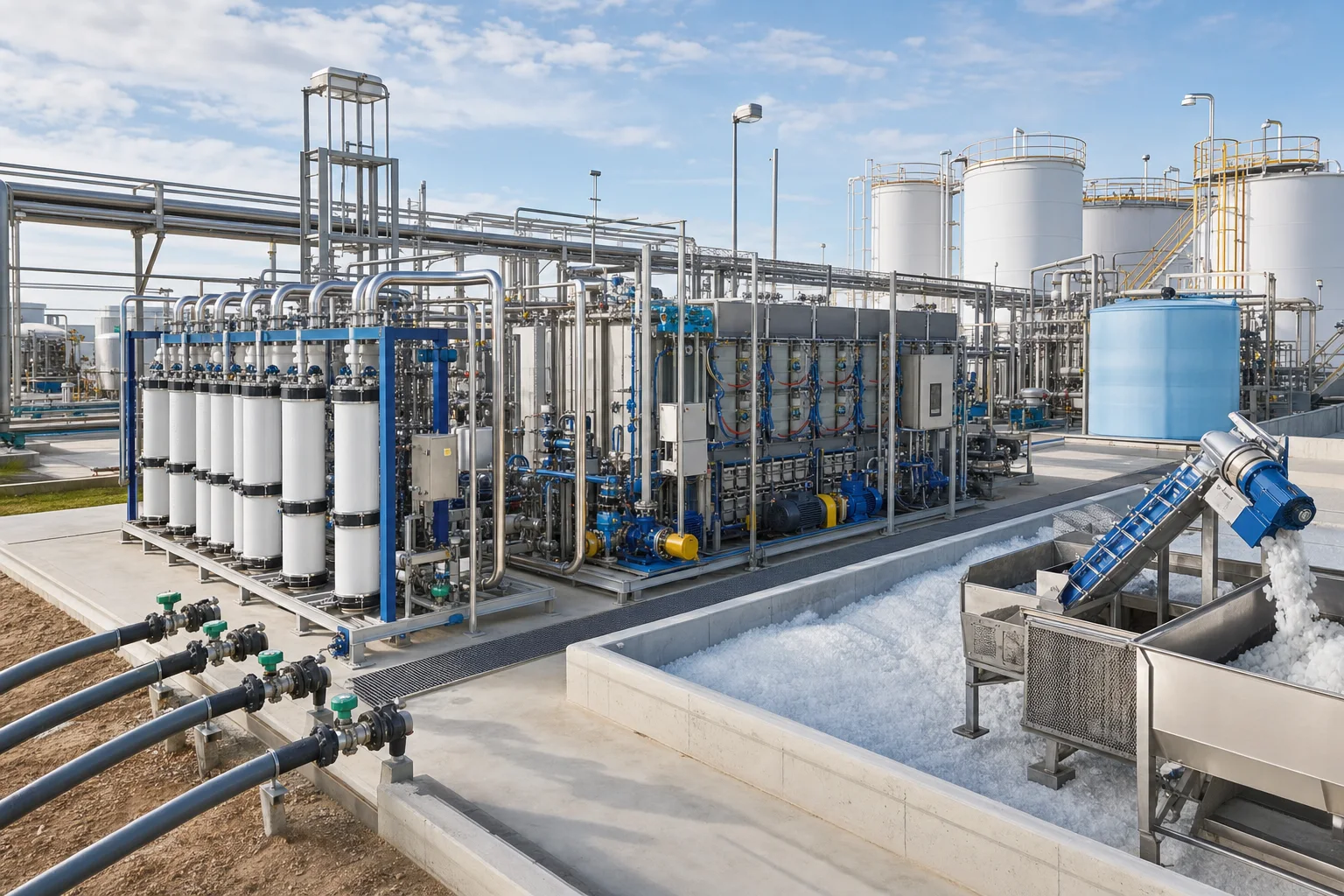
High-salinity wastewater treatment in chemical industrial parks: from end-of-pipe disposal to segregated resource recovery
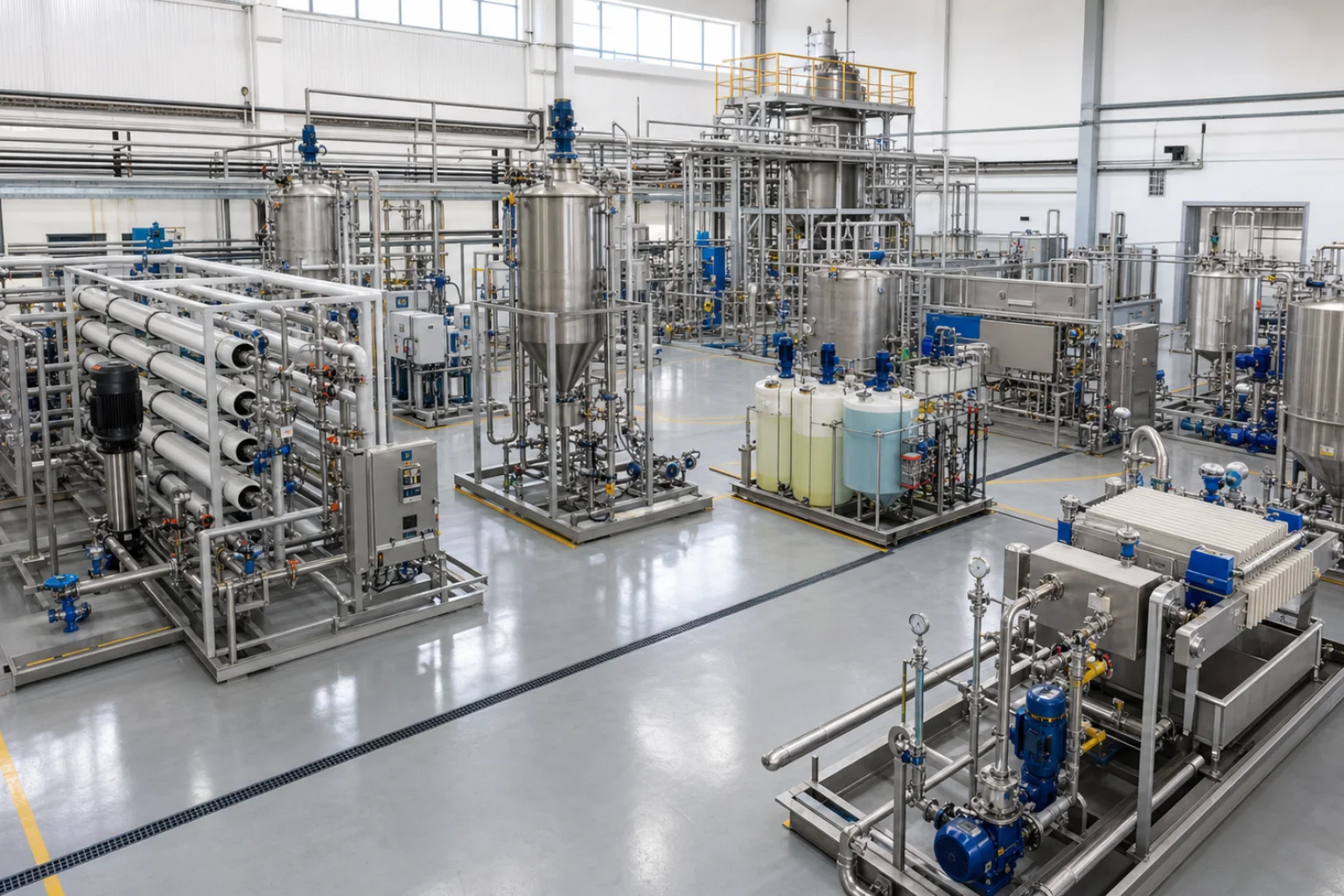
Industrial wastewater resource recovery white paper
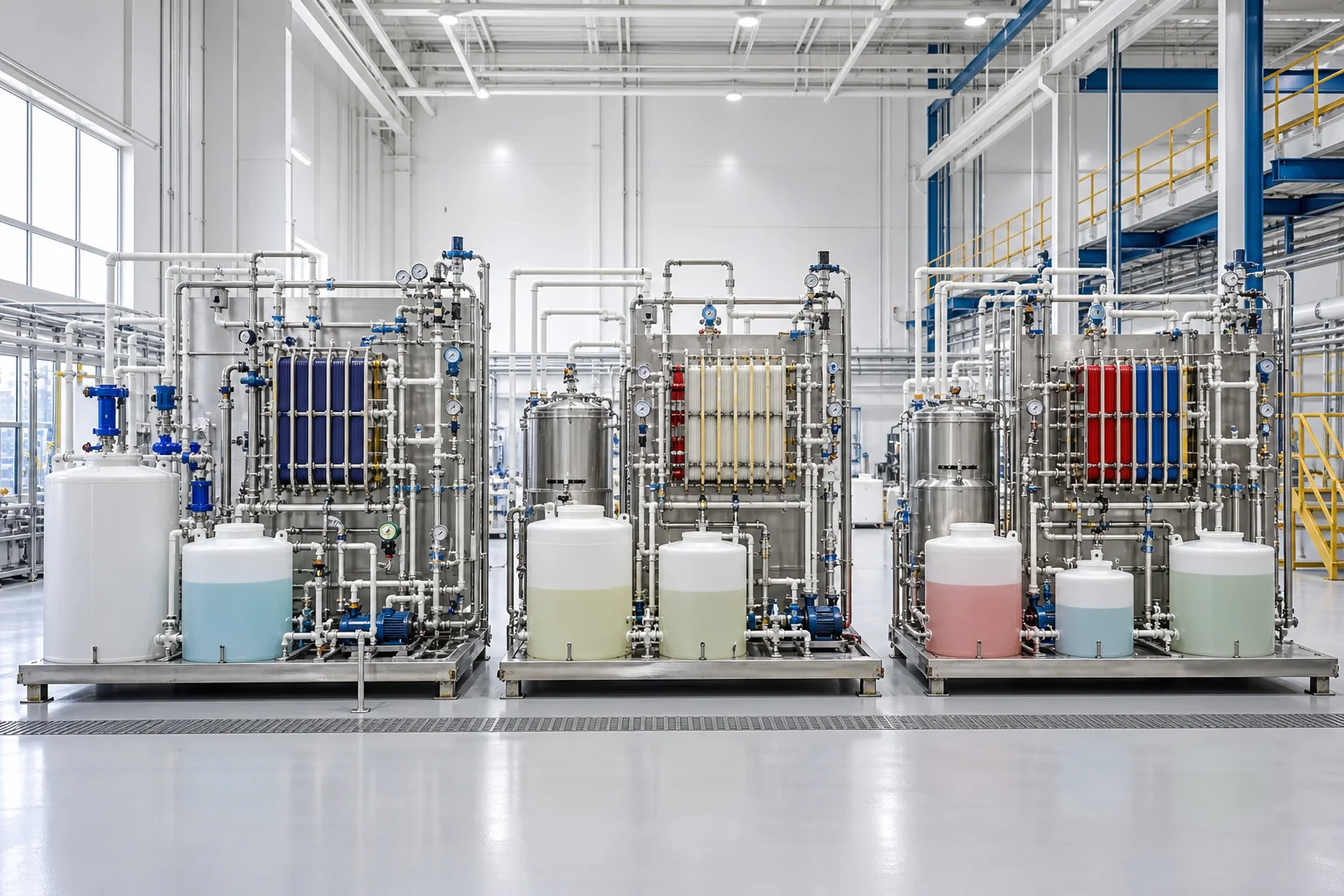
ED / DD / BMED process selection guide
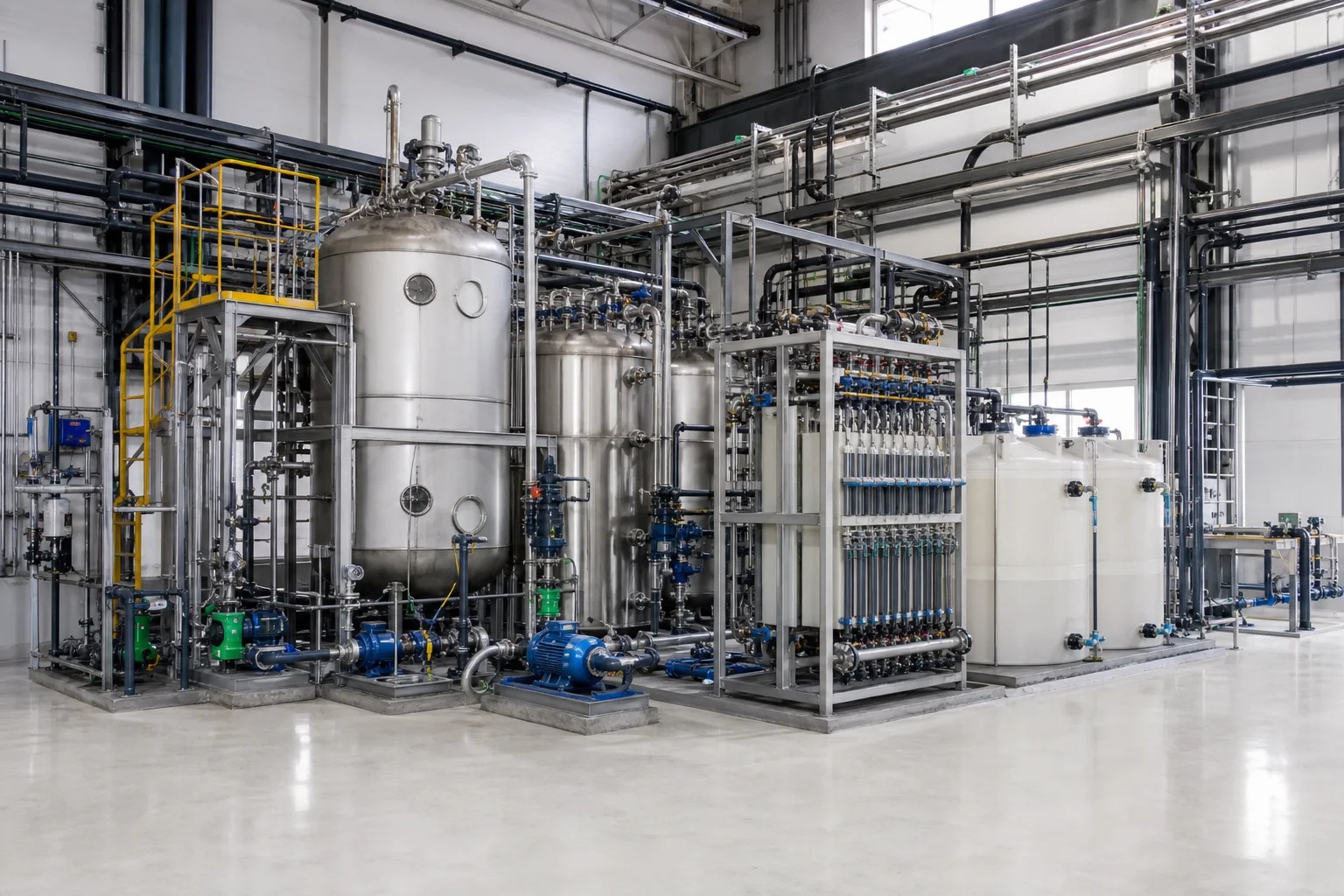
Trends in lithium salt and acid-alkali recycling in the new energy materials industry
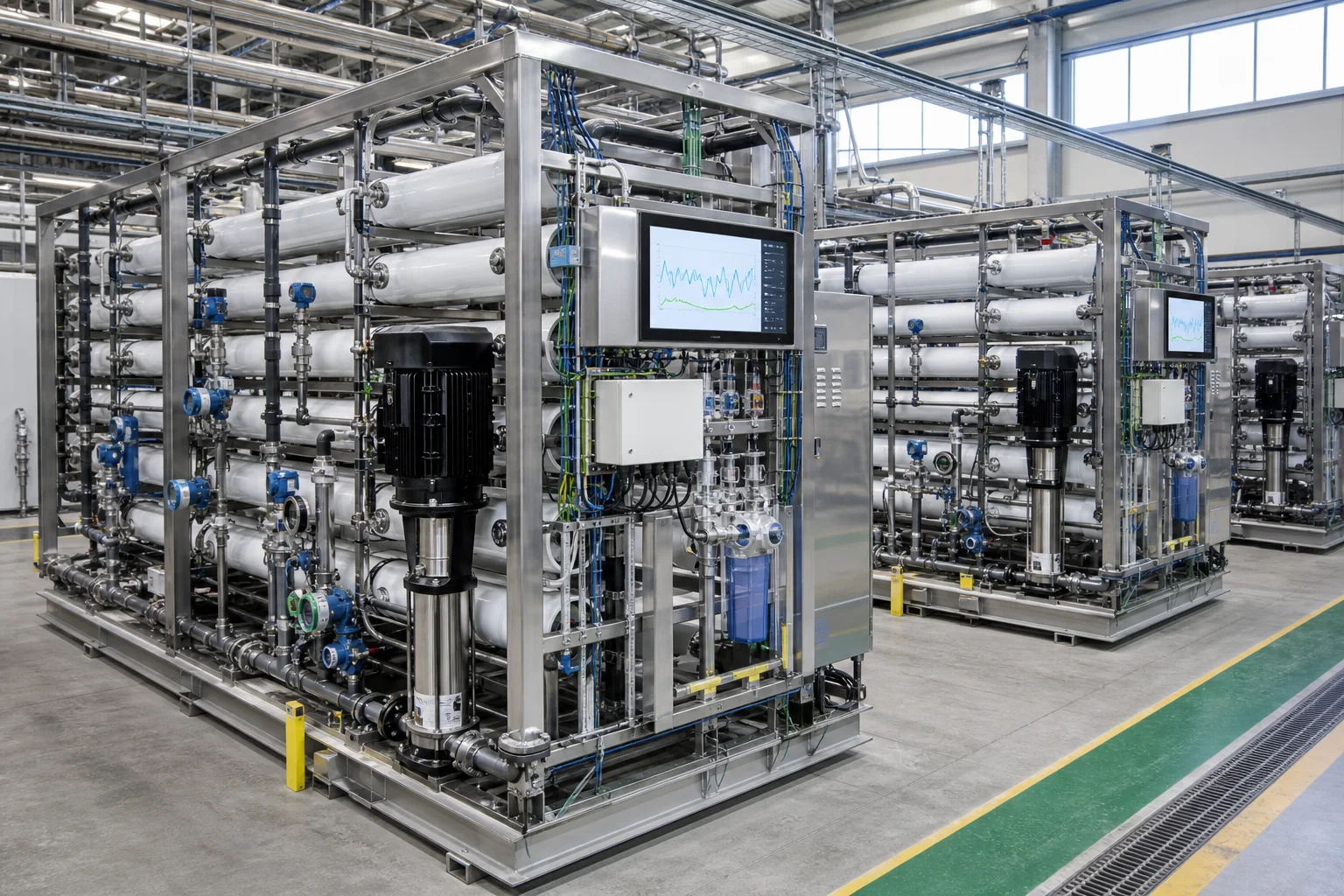
Trends in modular and digital delivery for industrial water treatment projects
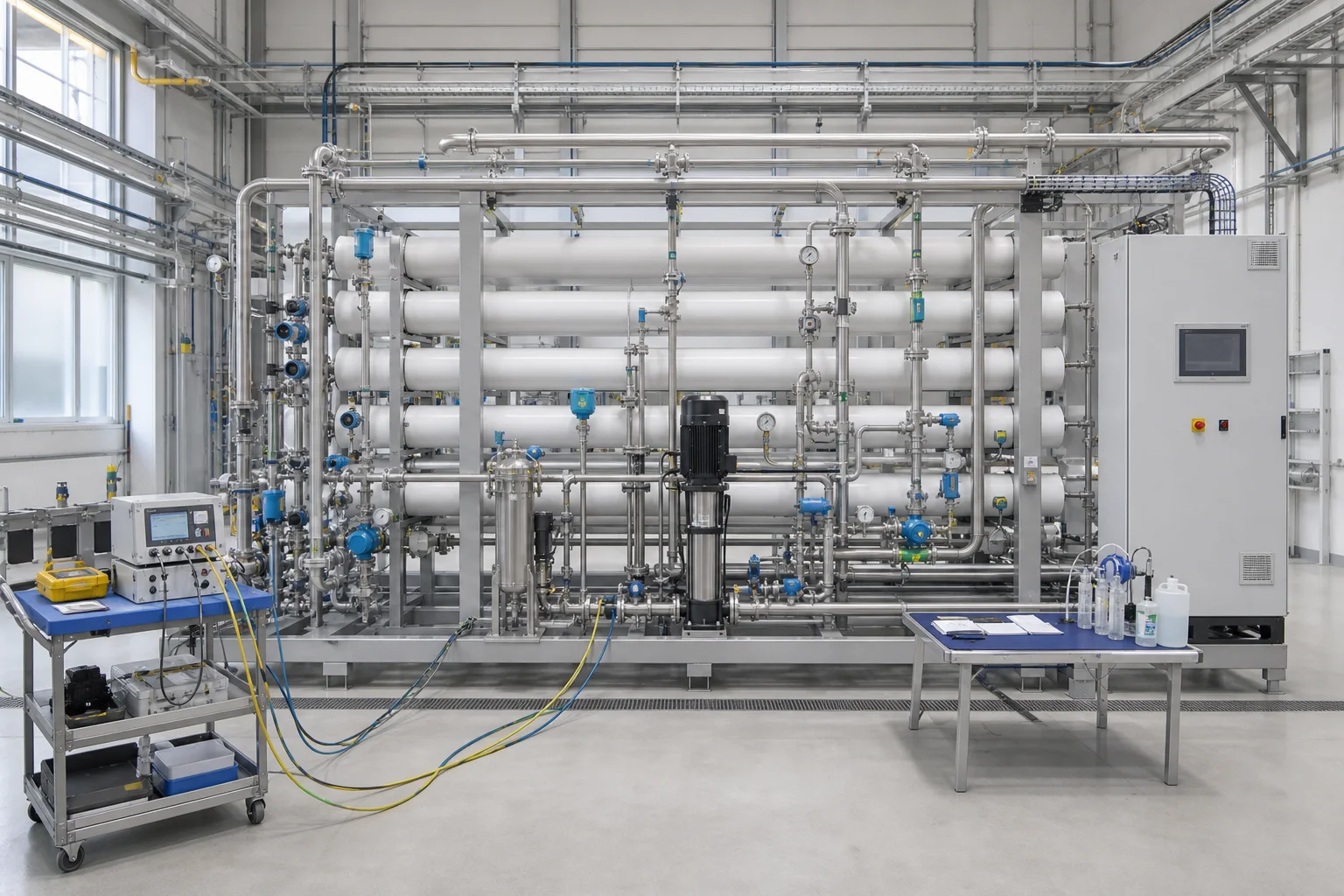
Enterprise Technical Guide for Industrial Electromembrane System Design and Acceptance
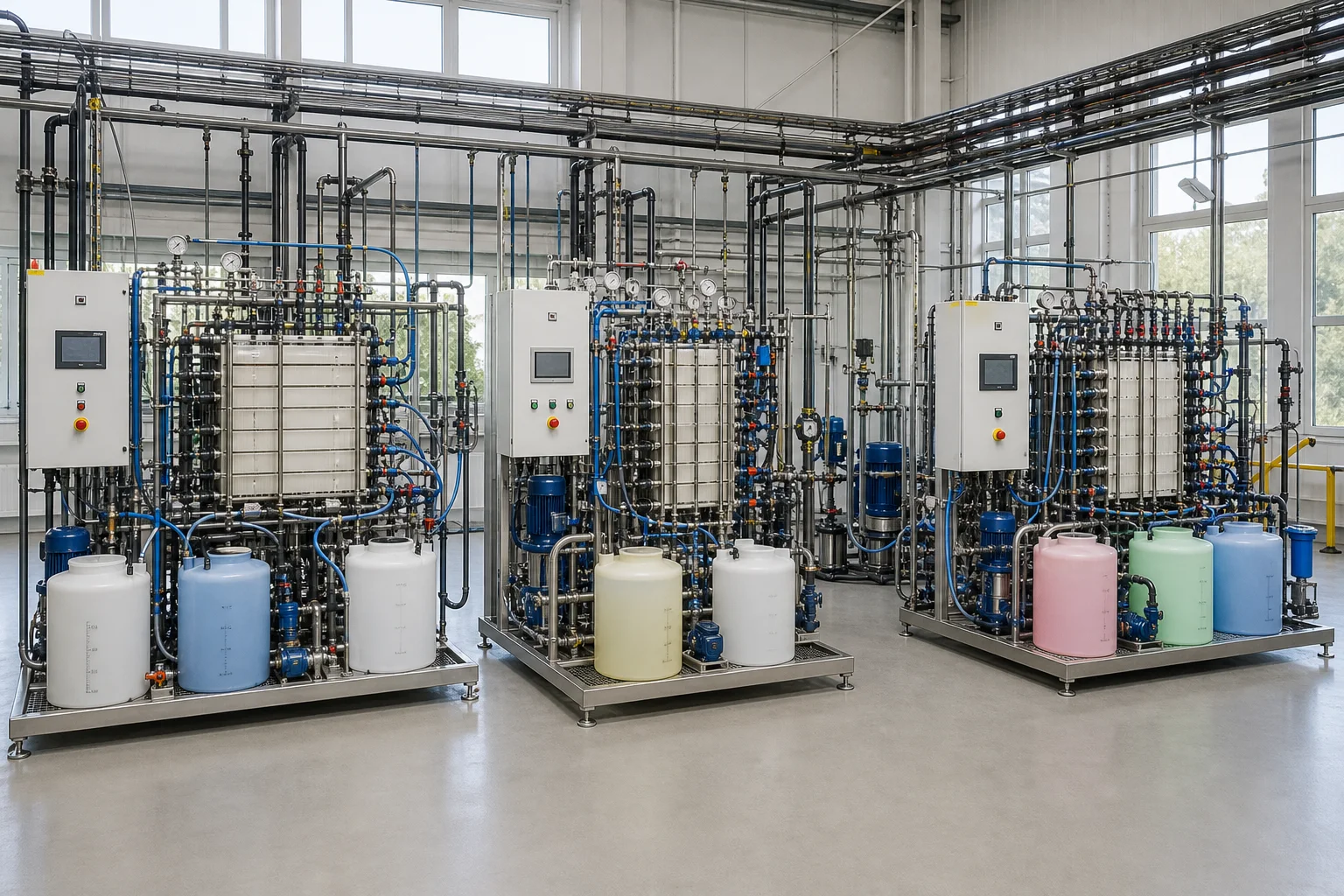
How to choose ED, DD, and BMED?
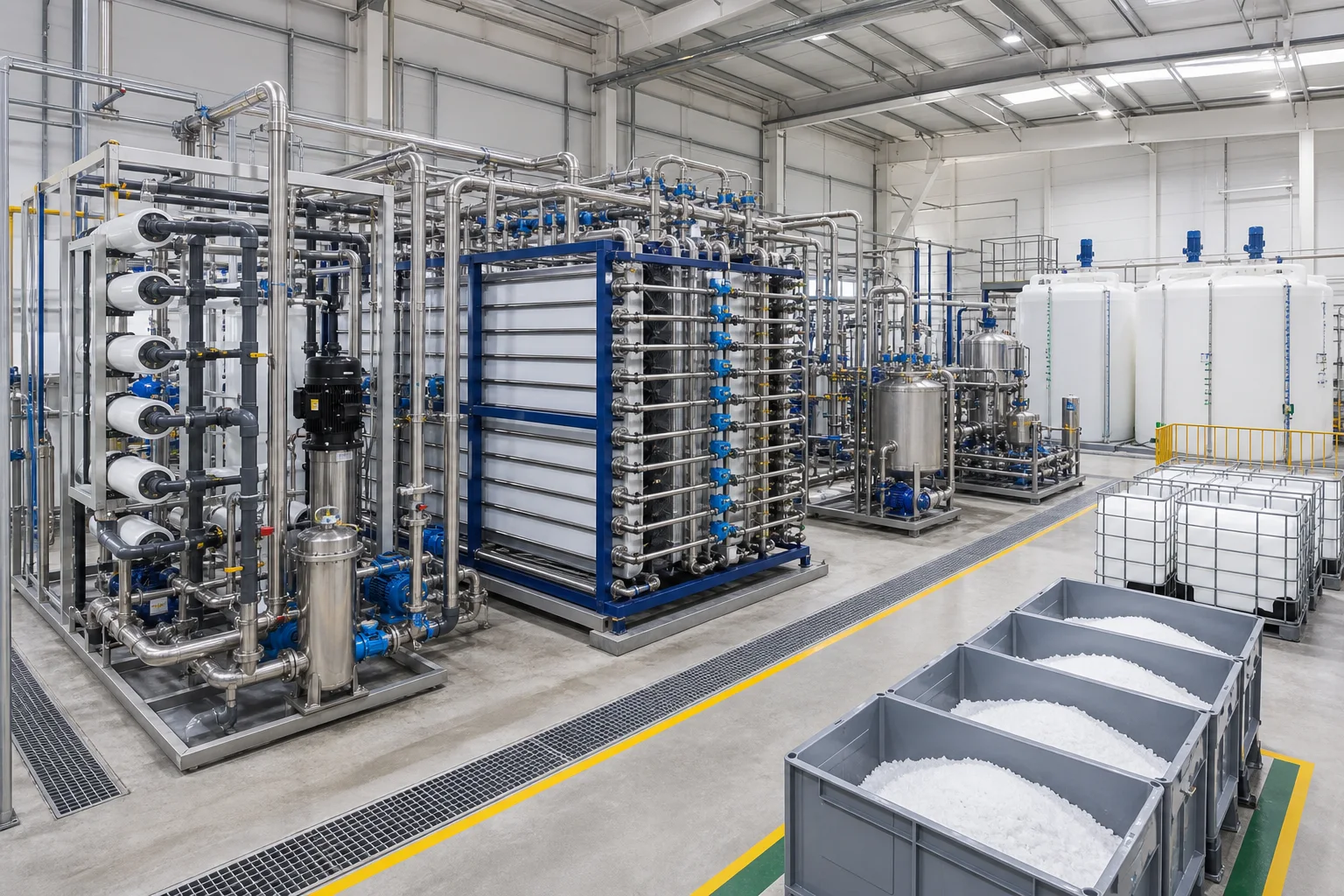
Why is front-end reduction important for zero liquid discharge (ZLD)?
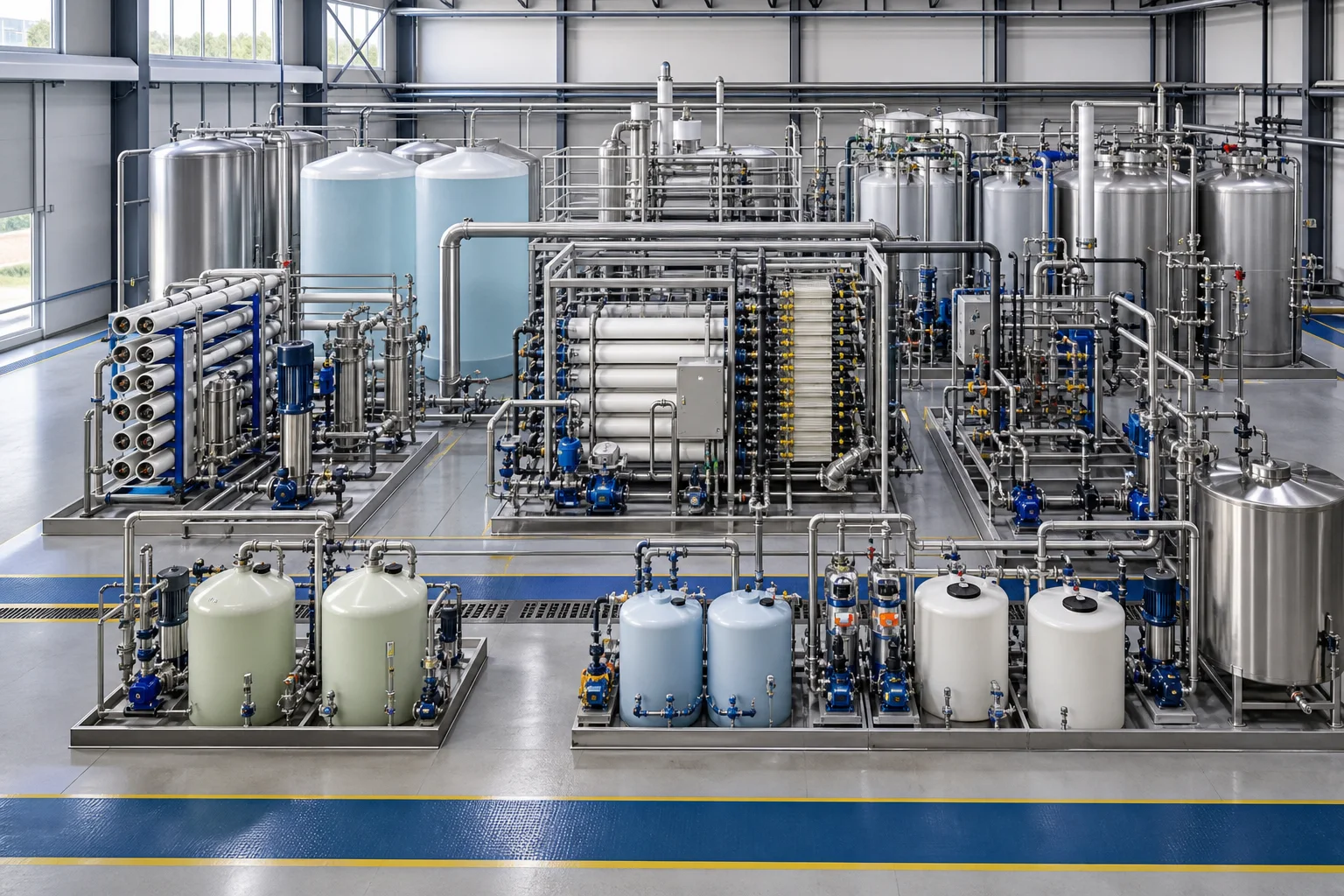
Four common pathways for industrial wastewater resource recovery
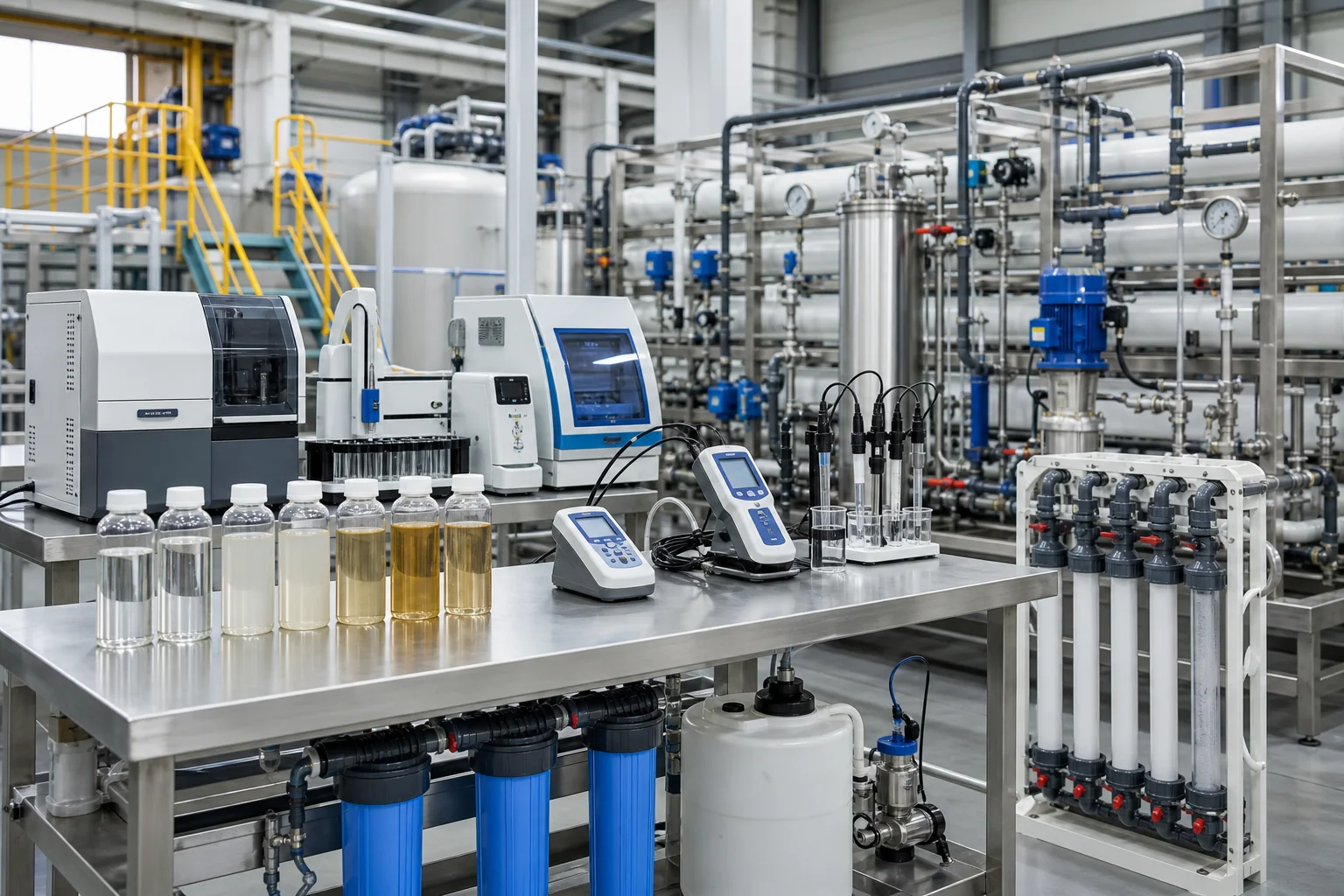
What indicators should be considered in chemical wastewater treatment solutions?
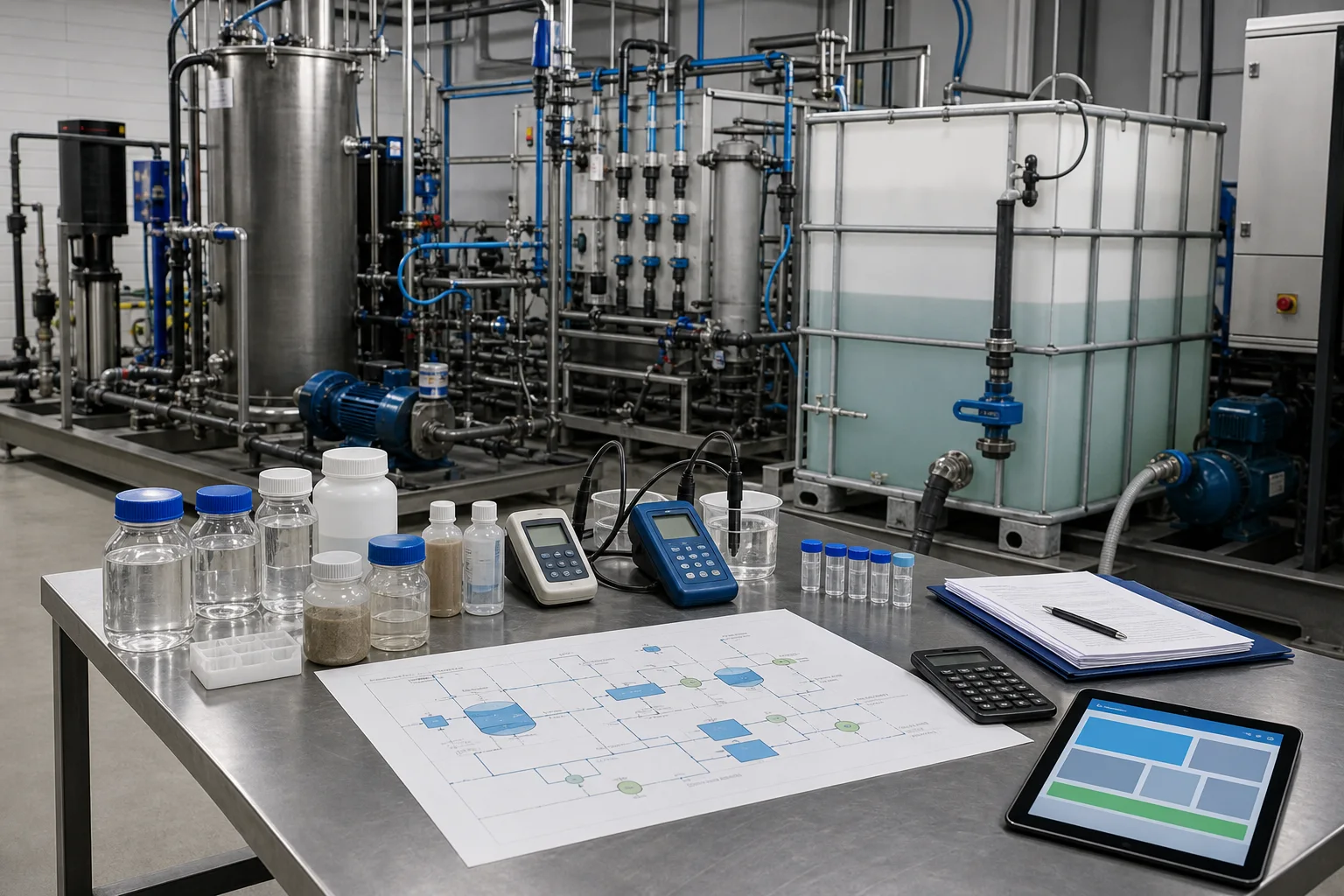
What information is needed before submitting a project evaluation?
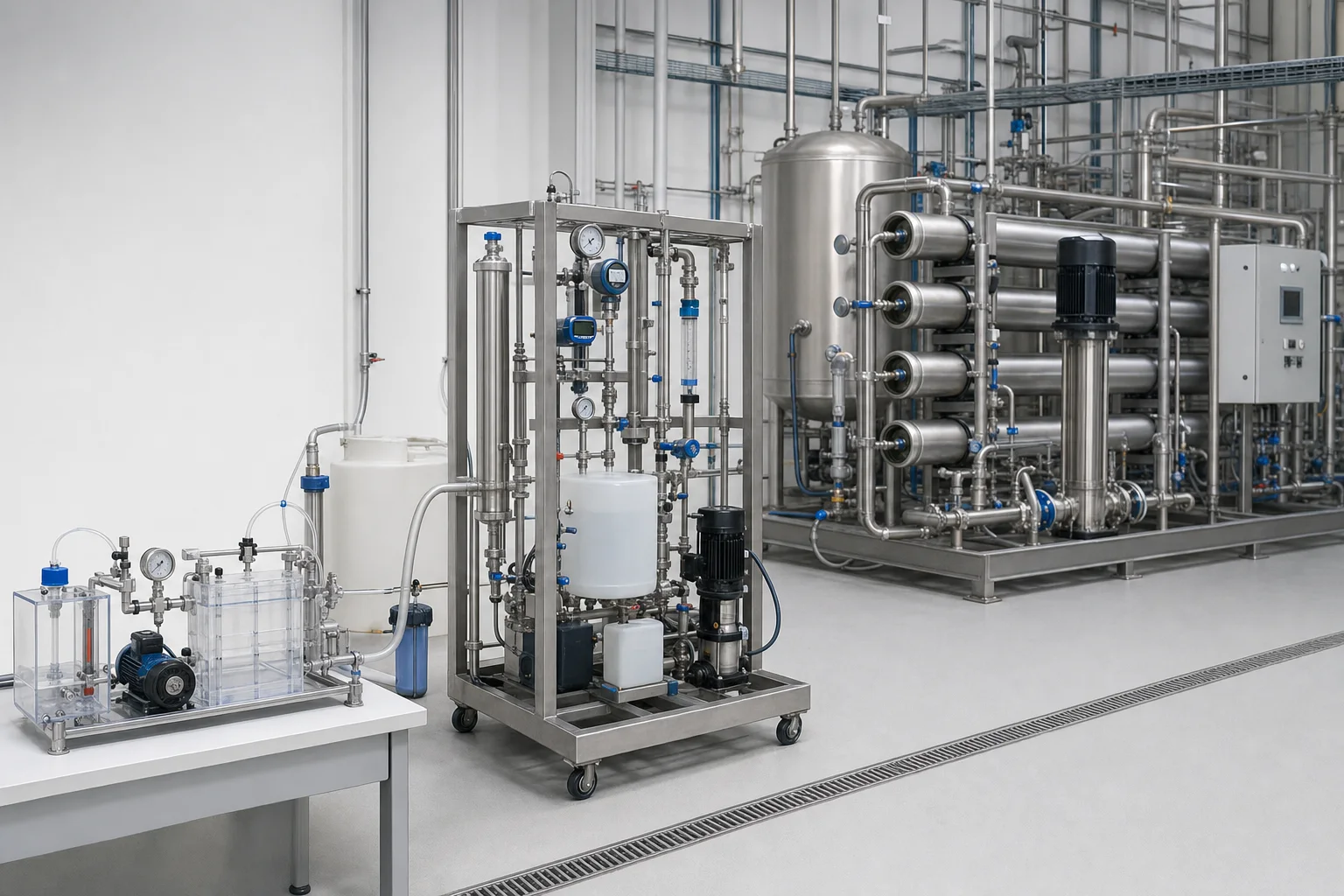
What issues do bench-scale testing, pilot-scale testing, and engineering scale-up address?
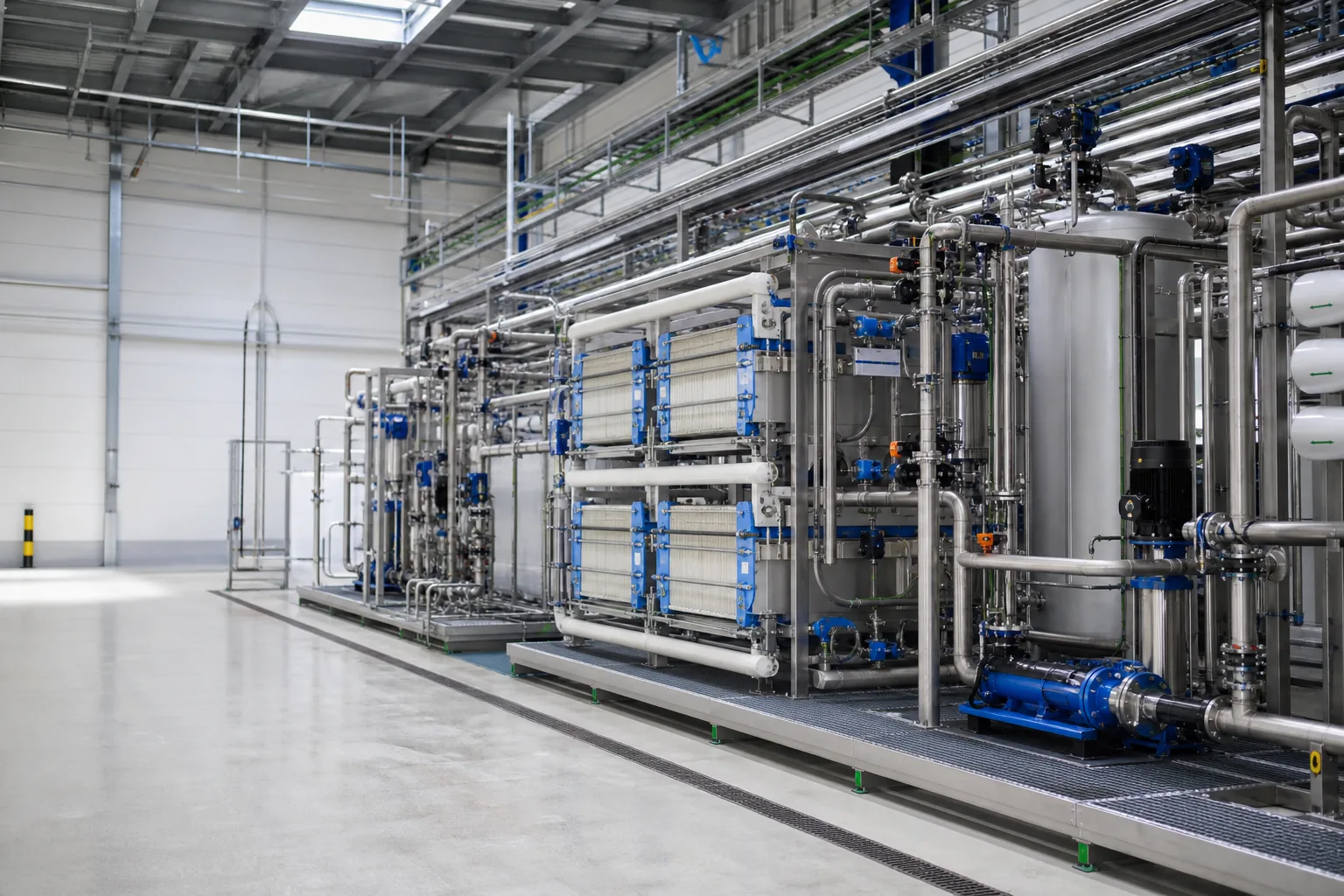
Convert Water quality reports into executable process routes
Submit water quality, flow rate, target products, and site boundary conditions. EasyGu Water Treatment engineers can develop preliminary solutions for industrial wastewater treatment, water reuse, zero liquid discharge (ZLD), and resource recovery objectives.

Project Inquiry
Tell us your water quality and objectives
Submit the currently available industry, water volume, main components, existing process, and objectives. Incomplete information can also be submitted first, and engineers will assist in supplementing the boundary conditions later.
- Phone400-022-8199 / 0551-63618199
- Business Email[email protected]
- Service HoursMon-Fri 8:30-17:30
Project & Partnership Inquiry
Select an inquiry type and share the information available. Our engineers will follow up with the source page context.