III. ED — Sample application scenarios for standard electrodialysis (ED)
3.1 Electrodialysis (ED) treatment of electroplating wastewater
Technical route: the electroplating wastewater separation system follows the principles of clean and contaminated stream separation and staged treatment. Wastewater is collected separately into five categories: cyanide-containing, chromium-containing, nickel-containing, copper-containing, and combined wastewater. After alkali dosing, flocculation, sedimentation, and filtration, the raw water is pH-adjusted, pretreated by ultrafiltration, and then enters electrodialysis (ED) for concentration. The diluate is treated by reverse osmosis to produce pure water, while the concentrate reaches 15% and then enters MVR evaporation to achieve zero liquid discharge (ZLD).
Principle overview: under a DC electric field, the selective permeability of homogeneous ion-exchange membranes is used to drive anions and cations in the solution to migrate directionally toward the corresponding electrodes, achieving solution concentration and desalination.
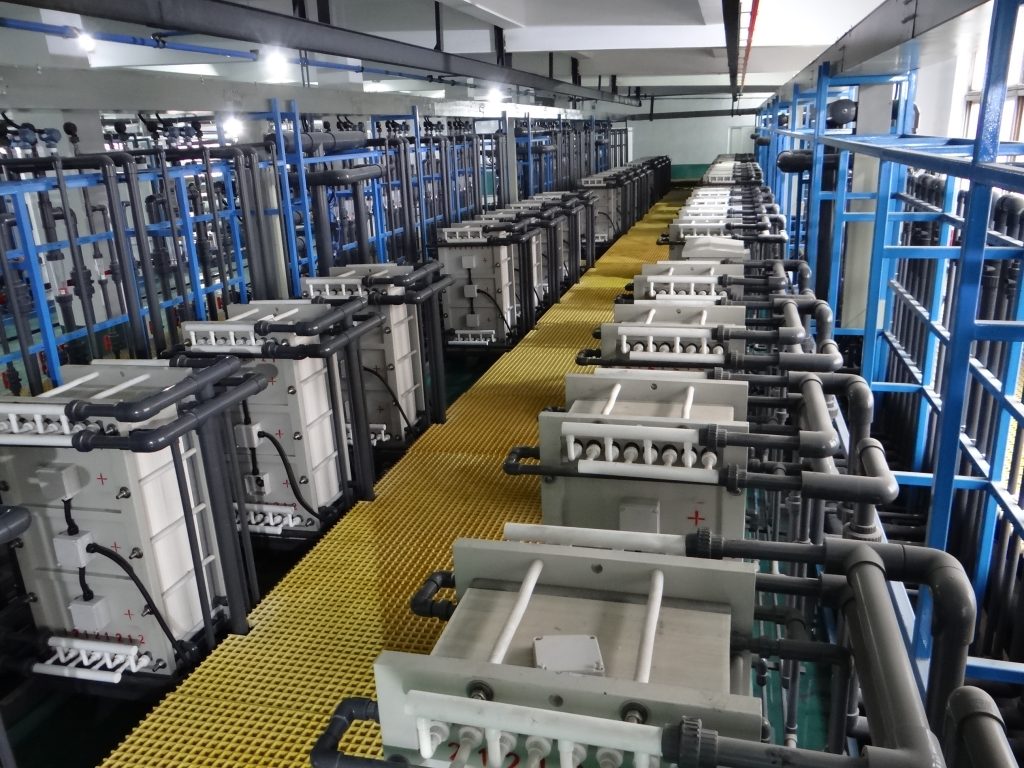
Figure 3 - Electroplating wastewater project for an enterprise in Xi'an
Illustrative materials


Project Inquiry
Tell us your water quality and objectives
Submit the currently available industry, water volume, main components, existing process, and objectives. Incomplete information can also be submitted first, and engineers will assist in supplementing the boundary conditions later.
- Phone400-022-8199 / 0551-63618199
- Business Email[email protected]
- Service HoursMon-Fri 8:30-17:30
Project & Partnership Inquiry
Select an inquiry type and share the information available. Our engineers will follow up with the source page context.